The Kerrison Surgical Tool: Precision in Neurosurgery
Wiki Article
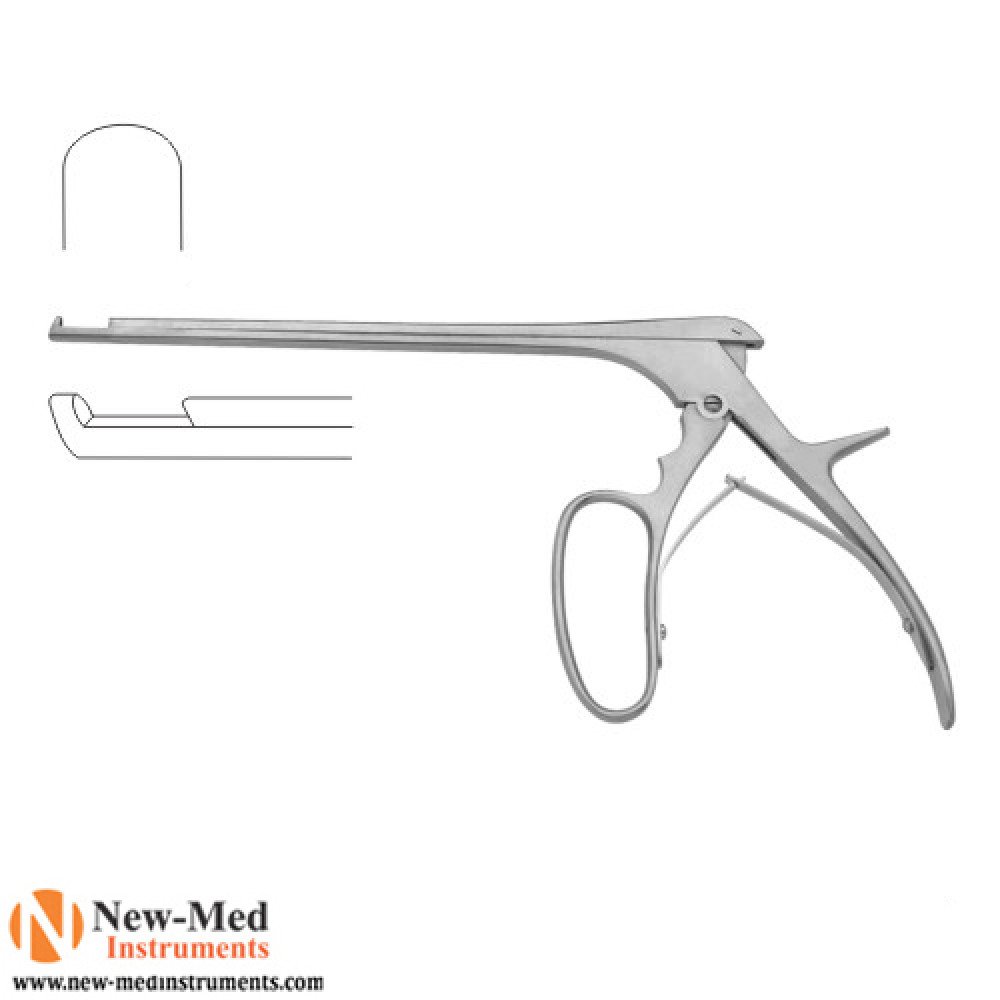
In the demanding field of surgery, the right instrument is not just a tool, but an extension of the surgeon's skill. This is especially true in delicate procedures like spinal surgery and neurosurgery, where millimeters can make all the difference. The Kerrison Rongeur stands out as a critical instrument, designed for precision and control in these complex environments. Understanding its function, variations, and proper handling is essential for any healthcare professional dedicated to achieving perfect and precise results for their patients.
Understanding the Kerrison Rongeur's Function
At its core, the kerrison surgical tool is a type of rongeur, an instrument designed to cut or remove small pieces of bone. Its unique design features a slender, angled shaft with a small, sharp-edged scooping tip. This allows surgeons to access tight spaces, particularly within the spinal canal, to decompress nerves by removing portions of the lamina or other bony structures. The handle mechanism provides the force needed to make clean, controlled cuts, preventing bone crushing and minimizing trauma to surrounding tissues.
Applications in Spinal and Neurological Procedures
The primary application for the Kerrison Rongeur is in spinal surgery, most notably during laminectomy and foraminotomy procedures. During a laminectomy, the surgeon removes a part of the vertebral bone called the lamina to relieve pressure on the spinal cord or nerves. The kerrison surgical tool is indispensable here, allowing for the precise removal of bone tissue without damaging the delicate neural elements it protects. Its use extends to other neurosurgical applications where controlled bone removal in confined areas is necessary.
Design Variations for Specific Surgical Needs
Not all Surgical Rongeurs are the same. They come in various sizes, shaft lengths, and angles to accommodate different anatomical challenges and surgical approaches. The "bite" size of the tip can range from 1mm to 6mm, allowing for either very fine or more substantial bone removal. Furthermore, the tips can be angled up or down, giving the surgeon improved visibility and access to difficult-to-reach areas. Some models even feature a thin footplate, a safety feature that helps protect the underlying dura mater from accidental injury during a cut.
The Importance of Quality and Maintenance
The performance of any surgical instrument is directly tied to its quality of construction and maintenance. A high-quality kerrison surgical instrument is crafted from durable, medical-grade stainless steel that can withstand repeated sterilization cycles without corroding or losing its edge. A sharp, well-maintained blade ensures clean cuts, reducing surgical time and minimizing patient trauma. At New Med Instruments, we are committed to providing superior surgical instruments that meet these exacting standards, understanding that surgeons, students, and healthcare professionals globally depend on this reliability.
New Med Instruments: Your Partner in Precision
New Med Instruments is dedicated to supporting the medical community by providing quality surgical instruments and superior service. We recognize that professionals who value perfect and precise patient outcomes require tools that deliver uncompromising performance. Our selection of instruments, including the indispensable kerrison surgical rongeur, is curated to meet the highest standards of craftsmanship and reliability. We empower surgeons to perform at their best by ensuring the tools in their hands are second to none.
Proper Handling and Sterilization Techniques
Correct handling is crucial for both instrument longevity and patient safety. When using a kerrison surgical tool, it is important to ensure the instrument is appropriate for the specific task and that the blade is sharp. After each procedure, thorough cleaning and sterilization are mandatory to prevent infection and maintain the instrument's integrity. Following established hospital protocols for decontamination, ultrasonic cleaning, and autoclaving will ensure that the tool remains a reliable asset in the operating room for years to come.
Report this wiki page